
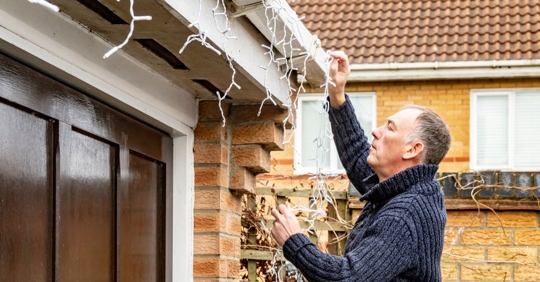
With the approach of the holiday season, many of us are gearing up to light up our homes, figuratively and literally, with festive decorations. But amidst the glitter and glow, it’s crucial to ensure that we don’t overburden our home electrical systems. Lowry Electrical wants to help you stay safe and savvy this holiday season. This guide will equip you with essential knowledge and practical tips to maintain electrical efficiency and safety during the festive times.
Components of a Home Electrical System
Your home's electrical system might seem like a mystery, but understanding its core components can demystify how power is distributed throughout your home. Key elements include the service panel, circuit breakers, and outlets. The service panel essentially acts as the heart, distributing electricity from the power lines to various circuits. Circuit breakers are integral as they cut off electrical flow in case of overloads or short circuits, thereby preventing wiring damage or fire hazards. Outlets are where you plug in your devices, and they are designed to handle specific voltage levels. A well-functioning harmony of these components ensures that electricity flows safely and efficiently throughout your household, especially during high-demand periods like the holidays.
Signs of an Overloaded System
Identifying the telltale signs of a strained system can save you from costly and dangerous electrical problems. Flickering lights when an appliance starts or runs often indicate that the circuit is pushing its limits. Another indicator is circuit breakers that frequently trip, meaning they’re protecting your system from overloading or short circuits. Check any outlets that feel warm to the touch; this can signal excessive electrical flow that could lead to overheating and fires. These are urgent signs for a DIY check or professional evaluation, as ignored warnings can escalate into more severe issues, affecting your holiday plans and household safety.
Assessing Electrical Load Capacity
Before decking the halls with all things bright, it’s wise to assess your home’s electrical capacity. Begin by listing all the electrical devices and decorations you plan to use and their power ratings. Existing household load—appliances, lights, electronics—should also be included in this calculation. Divide the total wattage by the voltage (typically 120 volts in the U.S.) to find your total amperage load and compare this with your main panel’s capacity. Various online calculators and apps can facilitate this process, giving you a clearer picture of whether your existing setup can handle additional holiday load, or if strategic decisions need to be made to avoid outages or hazards.
Effective Load Balancing Techniques
Evenly distributing the electrical load across different circuits can prevent any one circuit from becoming overloaded, thus ensuring a safer operating environment at home. Start by plugging high-demand devices like heaters or ovens into separate circuits when possible. Utilize multiple outlets in different areas of your home and reduce strain by limiting the number of high-watt items sharing a single outlet through power strips. A common holiday error can be overloading a single outlet with multiple devices via extension cords and power strips. Remember that not all power strips are created equal—choosing ones with overload protection can safeguard circuits from potential damage.
Choosing Safe Holiday Decorations
When it comes to holiday safety, energy-efficient decorations like LED lights are the stars of the show. Not only do they consume significantly less electricity, reducing the likelihood of overburdening your system, but they also emit less heat, minimizing fire risks. These lights are often more durable and can last through countless holiday seasons, representing a smart investment for your home. Additionally, always opt for decorations that have been tested for safety—look for labels from agencies such as the Underwriters Laboratories (UL) which indicate that the product has been independently tested for risk factors such as electric shock and fire.
Proper Use of Extension Cords and Power Strips
Extension cords and power strips are often holiday lifesavers, but they must be used wisely to ensure safety. Start by inspecting cords for any damage or wear before use. It's important to know the capacity both the cord and strip can handle, typically marked on the packaging or product, to prevent overloads. Cords should not substitute for permanent wiring, and avoid daisy-chaining multiple power strips or extension cords. Instead, use power strips with circuit breakers as they add an extra layer of protection by cutting the power in case of an overload. These simple precautions can help mitigate the risks of electrical failures during the holiday season.
Conducting Routine Safety Inspections
Conducting regular safety inspections can help identify potential issues before they become serious hazards. Begin with a visual inspection of visible wiring, looking for signs of wear or damage that might indicate risk. Test your circuit breakers by flipping them off and back on, ensuring they respond appropriately. Consider utilizing a voltage tester to check outlets and ensure they deliver the correct voltage. If you find that outlets are unusually warm or breakers are inconsistent, it might be time to bring in a professional. These regular checks, often taking less than an hour, can provide peace of mind during high-demand times like the holidays.
Utilizing Surge Protectors and Smart Plugs
Surge protectors can safeguard your appliances and devices from potential damage caused by sudden voltage spikes, which are more frequent during stormy winter months or with holiday lighting fluctuations. These handy devices should be used with electronics that contain microprocessors, like computers and televisions, as they are most susceptible to damage from surges. Smart plugs add another layer of safety and efficiency, allowing you to control devices remotely or on a scheduler, ensuring you don’t leave decorations on unnecessarily. They also provide real-time insights into energy usage, empowering you to make informed decisions about power usage with a few taps on your smartphone.
Developing an Emergency Action Plan
Having an emergency action plan in place ensures that all household members know exactly what to do in case of an electrical issue. Start by mapping out your home’s electrical system, marking all circuit breaker locations, and labeling each circuit for easy identification during emergencies. Define clear steps for shutting off electricity safely at the main panel. Regular drills can reinforce these procedures, making sure everyone knows their role. Also, keep contact information for emergency services and local New Braunfels electrical professionals on hand. An organized and well-communicated plan can be crucial in minimizing the chaos and potential hazards arising from electrical mishaps.
When to Call a Professional
While many love a good DIY project, it's crucial to recognize when it's time to call in the experts. Regular breaker trips, a persistent odor of burning from outlets, or sparking appliances indicate deeper issues that may require professional diagnosis and repair. Attempting to fix these problems without the proper knowledge or tools can lead to severe consequences, including electrical fires or personal injury. Lowry Electrical is here to provide expert guidance and solutions tailored to your electrical needs, offering peace of mind so you can fully enjoy your festive celebrations without worry.
Do Not Hesitate to Reach Out to Lowry Electrical This Holiday Season
At Lowry Electrical, we're committed to ensuring your home stays safe and efficient during the holiday season and beyond. With years of experience, our team is ready to assist with inspections, load assessments, and a range of other electrical needs. Don’t leave your home's safety to chance—contact us today to schedule an appointment and to learn more about how we can light up your holidays safely!
Call Lowry Electrical now at (830) 237-6219 or send us a message online.