
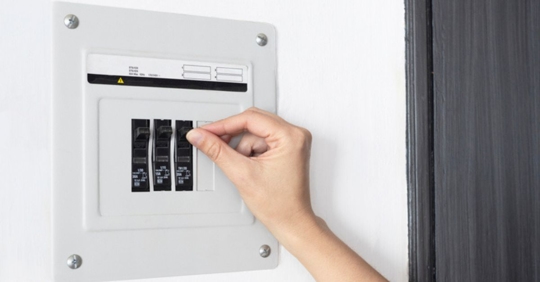
Circuit breakers are essential guardians of your home’s electrical system. They quietly prevent fires, protect appliances, and stop dangerous electrical issues before they escalate. But when a breaker trips repeatedly, it’s a clear sign that something in your system needs attention. Understanding why breakers trip, knowing how to troubleshoot minor issues, and recognizing when to call a professional can protect your home, ensure reliable electricity, and give you peace of mind.
Why Circuit Breakers Trip
Circuit breakers are designed to interrupt the flow of electricity when they detect a problem. Frequent trips indicate that your electrical system is under stress, and the cause can vary from simple overloads to more serious wiring issues. Some of the most common reasons include:
- Electrical overloads: Too many devices drawing power on a single circuit can exceed its capacity. Think of it like trying to fit too many people into a small room—something has to give.
- Short circuits: Occur when live wires touch each other, causing an immediate surge in current.
- Ground faults: Happen when a hot wire contacts a grounded surface, creating a risk of electrical shock.
Older homes may be more prone to breaker trips because their electrical panels and wiring were not designed to support modern appliances and technology. Recognizing the signs early, such as frequent tripping or flickering lights, can prevent small issues from turning into dangerous situations. Using surge protectors, energy-efficient appliances, and careful distribution of power can reduce the risk of future trips.
How Circuit Breakers Protect Your Home
Circuit breakers do more than just shut off power—they actively safeguard your home. When a breaker trips, it stops the flow of electricity before wires overheat or appliances are damaged. This protective function is critical in preventing electrical fires and costly property damage.
Modern homes often include specialized breakers, such as:
- AFCIs (Arc Fault Circuit Interrupters): Detect dangerous arcs in wiring that could spark fires.
- GFCIs (Ground Fault Circuit Interrupters): Protect against electric shock in areas near water.
- Single-pole and double-pole breakers: Handle standard and high-demand circuits, respectively.
A well-maintained breaker panel ensures smooth electrical operation while safeguarding both your family and your home. Taking the time to understand your breakers’ functions can prevent accidents and provide peace of mind.
Diagnosing Your Circuit Breaker Problems
Basic Electrical Box Inspection
A visual inspection of your electrical panel can uncover potential problems before they escalate. When inspecting:
- Turn off the main power for safety.
- Look for signs of wear such as scorch marks, soot, or corrosion.
- Check for buzzing sounds or excessive heat, which may indicate stress on the breaker.
- Consider the panel’s age, as older models may struggle to meet current electrical demands.
If anything appears damaged or abnormal, it’s best to call a certified electrician rather than attempt DIY repairs. Safety should always come first.
Testing for Overloads and Faulty Appliances
Identifying which circuit or appliance is causing a trip can be done systematically:
- Note which breaker trips most frequently.
- Unplug all devices on that circuit and reset the breaker.
- Gradually reconnect appliances to isolate the problematic device.
- Consider using an amp meter to measure current draw for high-demand circuits.
This method not only identifies faulty appliances but also reduces the overall strain on your home’s electrical system. Regularly monitoring your appliances and circuits can prevent unnecessary trips and extend the life of your electrical components.
Signs You Need Professional Help
While some trips are caused by minor overloads, other warning signs indicate more serious electrical issues:
- Persistent breaker trips despite reducing the load
- Burning smells or smoke near outlets or the panel
- Blackened wires or scorched outlets
- Continuous appliance malfunctions
If you notice any of these symptoms, it’s critical to contact a licensed electrician. Ignoring these signs can lead to fire hazards or severe damage to your electrical system.
How to Safely Reset a Circuit Breaker
If you experience a minor trip, you can reset the breaker safely by following these steps:
- Turn off or unplug all appliances on the affected circuit.
- Open the panel and locate the tripped breaker (positioned between “on” and “off”).
- Switch it fully to “off,” then back to “on.”
- Reconnect devices gradually while monitoring the breaker for additional trips.
If the breaker trips repeatedly, this signals that the underlying issue requires professional attention. Repeated trips should never be ignored, as they can indicate overloaded circuits or faulty wiring.
Preventing Future Breaker Trips
Load Management and Minor Adjustments
- Spread high-demand devices across multiple circuits.
- Unplug non-essential appliances when not in use.
- Invest in energy-efficient appliances to reduce overall power consumption.
Even small adjustments in how your home uses electricity can prevent trips and extend the lifespan of your electrical system.
Routine Maintenance
Regular inspection and upkeep of your panel can prevent future problems:
- Check breakers semi-annually or annually.
- Tighten loose connections and replace worn components.
- Monitor electrical usage and consider upgrades if needed.
Routine maintenance ensures your system operates efficiently and safely, reducing the likelihood of unexpected interruptions.
System Upgrades
Outdated panels and wiring may not meet modern energy demands. Consider upgrades such as:
- Rewiring circuits for higher capacity
- Installing breakers with increased amperage
- Adding smart monitoring systems to detect anomalies early
Upgrading your electrical system improves safety, efficiency, and prepares your home for future energy needs.
Educating Your Household
A key part of preventing trips is educating everyone in your home about electrical safety:
- Teach safe appliance usage
- Avoid overloading outlets and power strips
- Encourage unplugging devices not in use
Promoting awareness ensures everyone contributes to maintaining a safe, reliable electrical system.
Don't Put Up With Tripped Breakers
At Lowry Electrical, we are dedicated to keeping your New Braunfels home safe and electrically sound. If your breakers keep tripping or you’re considering an upgrade to your circuit breakers/electrical panel, our licensed professionals are ready to provide guidance and reliable solutions to ensure your home runs smoothly and safely.
Call Lowry Electrical now at (830) 237-6219 or send us a message online.